+91-72970-35550



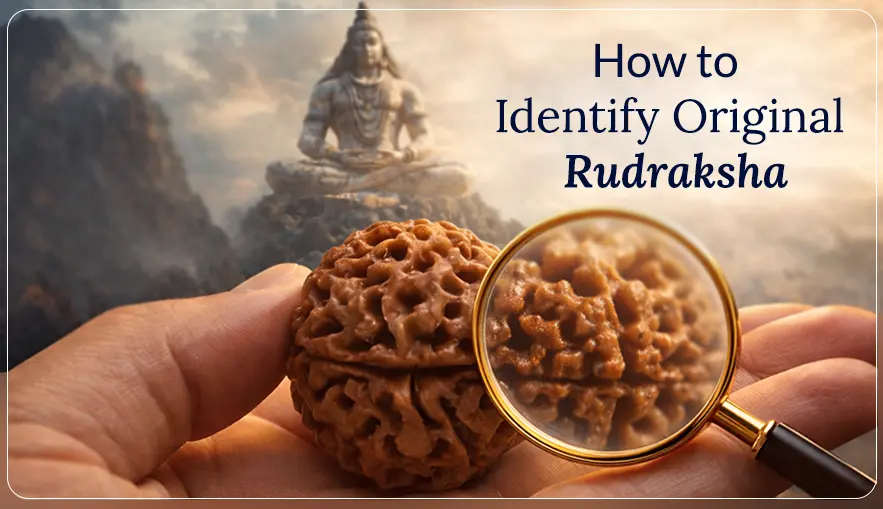
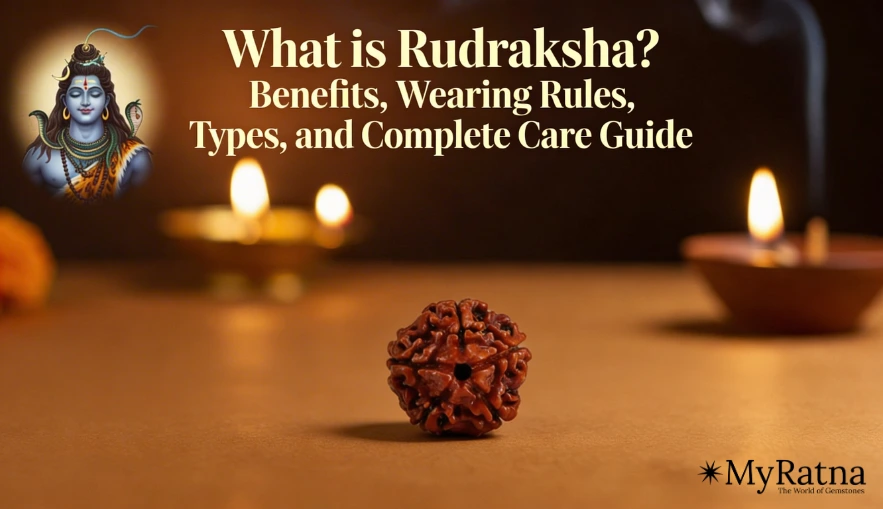
Rudraksha is a holy bead that many people wear for prayer, peace, and protection. In India and many other places, people believe that rudraksha gives calmness to mind and strength to heart. It is often used during meditation and chanting.
But today, many fake rudraksha beads are being sold in market. Some are made from wood, some from plastic, and some from glue or resin. These fake beads look like real ones, but they do not have the same value or energy. Because of this, it is very important to learn how to identify original rudraksha before you buy or wear one.
What is Rudraksha?
Rudraksha is a natural and holy seed that is used as a prayer bead in Hinduism. It is mostly worn by devotees of Lord Shiva during prayer and meditation. People believe that rudraksha gives spiritual strength and protects the wearer from negative energy. Many people wear it as a mala, necklace or bracelet for peace of mind, good health, and positive energy.
Rudraksha mainly grows in Nepal, India, and Java in Indonesia. Nepali rudraksha beads are usually bigger and have deep and clear mukhi lines that are easy to see. Java beads are smaller in size and lighter in weight, and their lines are thinner. Rare half-moon one mukhi rudraksha is mostly found in himalayan region of India.
Types of Rudraksha
Rudraksha beads come in different types, and these types depend on the number of natural lines or faces on bead. Each type is chosen for different spiritual and personal needs. People select different rudraksha beads based on benefits they believe bead can give.
Meaning of Mukhi
Word “Mukhi” means number of faces or lines on a rudraksha bead. These lines run from top to bottom of bead. Number of mukhi can start from 1 and can go up to 21 or even more. Each mukhi has its own importance and is believed to give different benefits.
Shape and Size
Original rudraksha beads are round or slightly oval in shape and have clear and natural lines on surface. They look simple, natural, and solid without cracks or artificial cuts. Size of bead may be small or big, but genuine beads always have a natural texture and a proper shape.
Related Products
Why Is Matters to Identify Real Rudraksha
Genuine rudraksha is not only important for spiritual reasons, but it also has clear physical features that make it different from fake beads. A real bead is natural, strong, and formed by nature. It has a solid feel, rough texture, and natural lines that cannot be copied easily.
Fake beads are often made from wood, plastic, resin or other cheap materials. Some are even made by joining small pieces with glue to look real. These beads may look similar from outside, but they do not have same value or effect as a natural rudraksha.
Most common question people ask is how to check original Rudraksha in water. In next sections, we will explain this and other simple methods step by step in easy way.
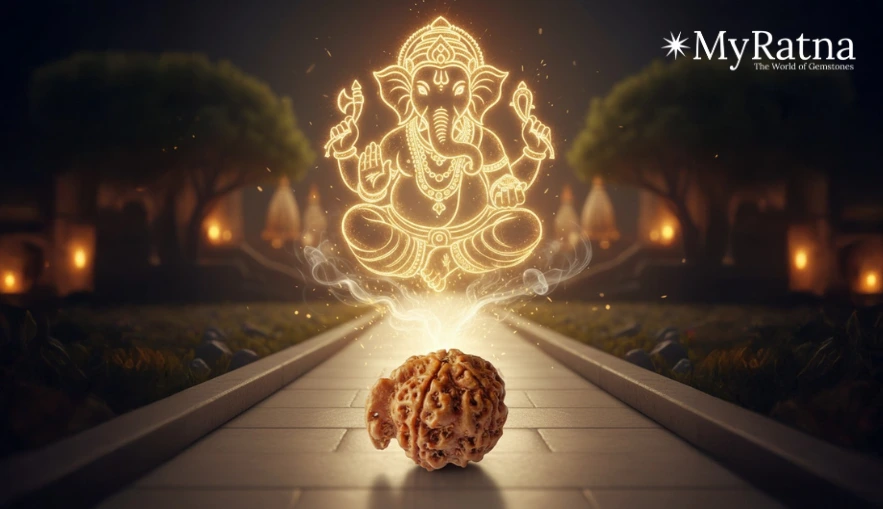
Read गणेश रुद्राक्ष सम्पूर्ण जानकारी
How to Identify Original Rudraksha?
Identifying original rudraksha can sometimes feel confusing because many fake beads look very similar to real ones. At first look, both may seem same in shape and color, so it becomes hard for buyers to know the difference.
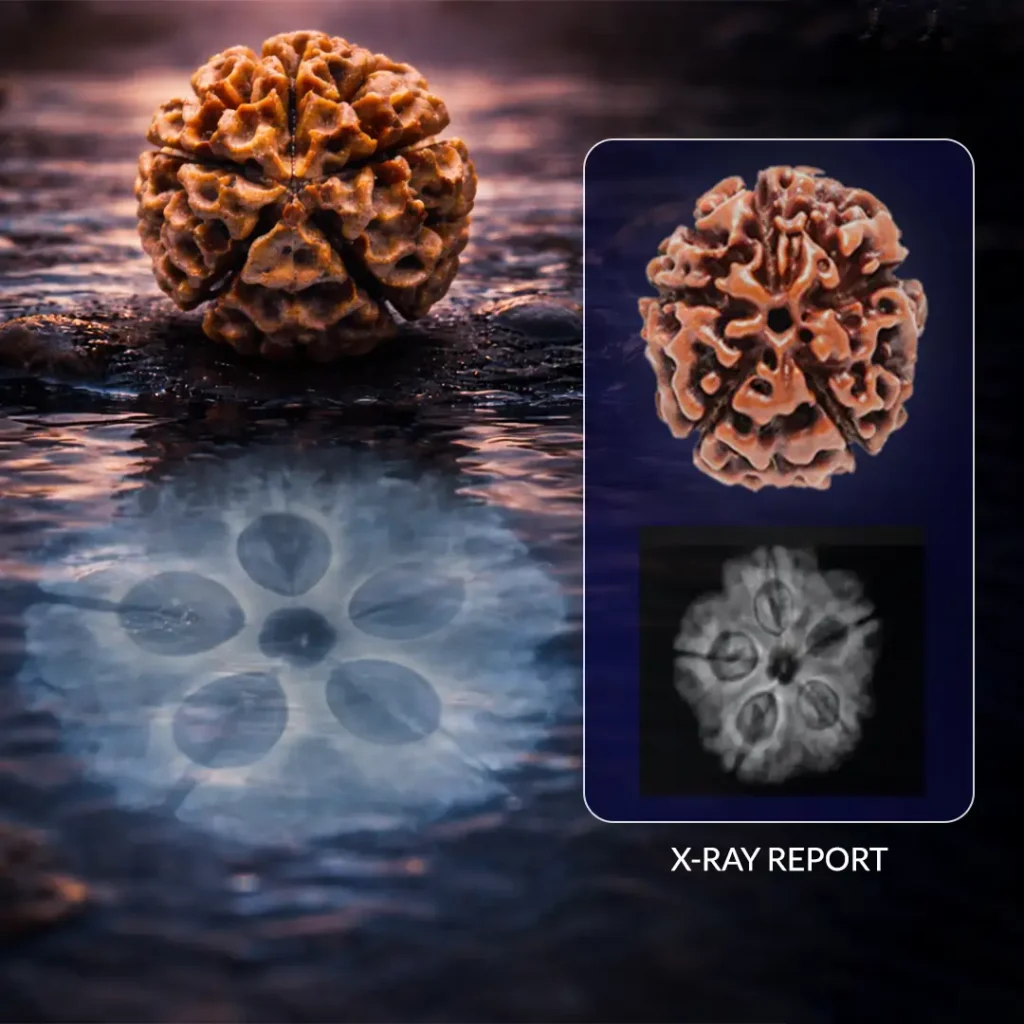
1. Most Reliable (Scientific) Test: X-Ray or Lab Testing
Home tests can help you get an idea, but they cannot give full proof. Most accurate way to check a rudraksha is through scientific testing like an X-ray or lab check.
These tests show the inside of bead. They help you see the real internal structure and count exact number of mukhis correctly. Home methods cannot show this.
This is very important when you buy rare or costly beads like one mukhi or higher mukhi rudraksha, where originality matters a lot.
2. How to Check Original Rudraksha in Water
Water test is one of the easiest ways to check a rudraksha at home. Most people try this method first because it is simple and quick. But you must remember that this test is not fully 100% perfect and should not be trusted alone.
When you place a genuine rudraksha bead in clean water, it usually sinks. This happens because a real bead is dense and heavy by nature. On other hand, a fake bead made from light wood or plastic often floats on surface.
Please Note: this rule does not work every time. Some real rudraksha beads may float if they are very dry or have small air space inside. In the same way, some fake beads are made heavy or filled with material so they sink like real ones. So water test is only a basic check. It can give you idea, but it should never be your final decision.
3. Soaking Test
In this method, you place bead in water and leave it for many hours or overnight. This helps you see how strong and natural bead really is.
Real rudraksha will stay hard and strong even after soaking. It will not become soft, break or lose its color. Shape and texture will stay same.
Fake or weak beads may show damage. They may fade, soften or start breaking slowly. This test gives more confidence than the simple sink or float test.
4. Boiling Water Test
Some people use hot or boiling water to check bead. They put rudraksha in boiling water for about twenty to thirty minutes to see how it reacts.
If bead is made of plastic or resin, it may melt, bend or change shape. A real rudraksha usually remains strong and does not get damaged easily.
But you must be careful with this test. Too much heat can also harm a real bead. This method is more traditional and not fully scientific, so it should be done gently or avoided.
Related Products
5. Physical Inspection – Your Best First Step
Before trying water tests, it is always good to check the bead with your eyes and hands. Looking closely at physical features can tell you many things about whether bead is real or fake.
Real rudraksha has natural lines called mukhis. These lines run from one end of bead to the other. They look uneven and natural because they are formed by nature, not by tools.
Hole in center should also look natural. It should not look too smooth or perfectly drilled. Real beads have small pores and a rough texture on the surface, which shows that they are natural seeds.
When you hold the bead, it should feel solid and slightly heavy for its size. Fake beads made from wood or plastic often feel very light and hollow.
6. Additional Traditional Tests People Use
There are also some old traditional methods that people follow. These are based on belief and experience, but they are not scientifically proven.
In scratch test, people gently scrape bead to see if a natural fiber comes out. In the oil test, bead is kept in mustard oil to check if the color changes. In the copper coin test, bead is placed between two coins to see if it moves or rotates.
These methods may work sometimes, but results can change. So they should be used only as extra checks and not as final proof.
Read रुद्राक्ष पहनने के बाद के नियम
Related Products
Real vs Fake Rudraksha – Quick Comparison
| Feature | Real Rudraksha | Fake Rudraksha |
|---|---|---|
| Water Test | Generally sinks (not always) | Often floats |
| Lines (Mukhis) | Natural, deep, unbroken | Shallow, artificial |
| Texture | Coarse, natural pores | Smooth or artificial |
| X-Ray | Shows internal structure | No natural chambers |
| Oil colour test | No colour released | Colour may bleed |
| Price | Higher | Lower |
Important Takeaways
Water test is a good and easy starting point for checking your Rudraksha. It helps you get a quick idea, but it should never be only test because both real and fake beads can sometimes give the same result.
It is always better to combine water test with a careful physical check. You should look closely at mukhis, feel texture, and notice the weight of the bead. These small details can tell you a lot about whether bead is natural or artificial.
If you want full confidence, especially when bead is rare or costly, lab testing or X-ray check is safest option. These methods show the inside of bead and confirm number of mukhis clearly.
You should also try to buy rudraksha only from trusted and honest sellers. Fake Rudraksha beads are very common in the market, so choosing a reliable source can save you from mistakes.
Conclusion
Knowing how to find an original rudraksha is not very hard if you follow simple steps and stay careful. You should not depend on just one test. Instead, use a mix of easy home checks and smart judgment.
Water test is a good first step to see if the bead sinks or floats, but it does not give full proof by itself. When you combine this test with physical inspection and, if needed, scientific testing like an X-ray, you get a much more reliable result.
By taking a little time and checking properly, you can make sure that your Rudraksha is natural original, and truly real.